



An Overview of Vermont Timber Management Strategies

Smith56
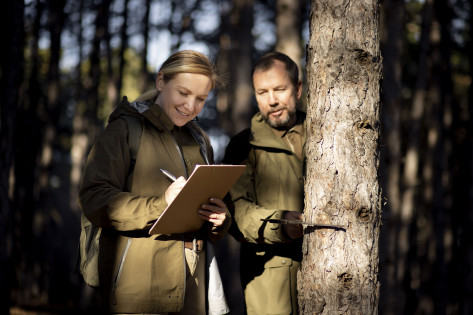
Vermont’s timber management really comes down to finding the sweet spot between making a living from the land and making sure those forests stay healthy for the long haul. With woods covering so much of the state, how people manage them doesn’t just matter for the economy — it shapes the environment too.
The heart of Vermont’s approach is sustainability. That means forestry pros don’t just charge in with saws. They go out, study which trees are thriving, check for pests or disease, see what species are present, and plan carefully. Then, they use selective harvesting — so only certain trees come down, and the forest keeps its natural balance. This way, animals keep their homes, plants have room to grow, and the whole ecosystem can keep ticking along.
Regeneration is another big piece of the puzzle. After trees are cut, the work isn’t over. Letting nature do its thing is usually best, but sometimes people step in to replant—especially if a spot’s looking sparse or unhealthy. It’s all to make sure the forest bounces back strong.
Protecting soil and water gets a lot of attention too. Logging can wash soil into rivers if people aren’t careful. So, Vermont requires safeguards—like leaving buffers along streams or planning roads so rain doesn’t cause a mess. That way, fish and other critters living in the water don’t suffer.
And this isn’t set-and-forget work. Forestry experts keep an eye on what’s happening. They track everything from new diseases and bugs to how the whole place responds to warmer weather. When something shifts, so can the management plan.
At its core, timber management in Vermont is about responsibility. They cut what they need, care for what’s left, and keep looking ahead. It’s a give-and-take system that tries to protect the forests so they’re just as vibrant years from now as they are today. https://birdseyeforestry.com/timber-management/
0 comments