


- 3259
- 0
Sharing Ideas and Updates on LPG in Nigeria and related information to enable effective collaboration within the LPG Value Chain


Dangote Refinery’s RFCC Shutdown – A Hiccup Or A Harbinger?
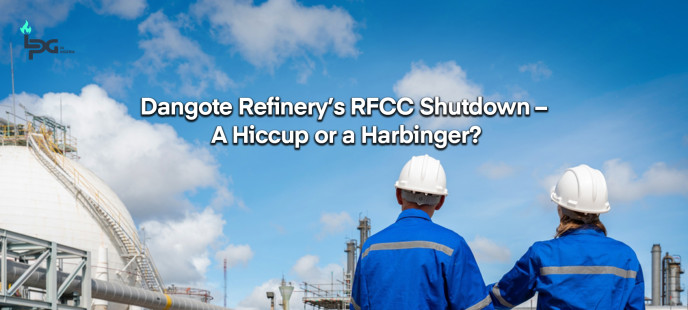
Dangote Refinery’s RFCC Shutdown – A Hiccup Or A Harbinger?

Nigeria’s Dangote Refinery, touted as Africa’s largest and most ambitious oil refining project, has hit another snag. On August 6th, company sources confirmed the temporary shutdown of the refinery’s Residue Fluid Catalytic Cracker (RFCC), its main gasoline-producing unit, due to unplanned maintenance. This latest disruption adds to a growing list of operational challenges the refinery has faced since coming online in January 2024, prompting critical reflections on its readiness, resilience, and the broader implications for Nigeria’s energy sector.
The RFCC is central to the refinery’s goal of capturing Nigeria’s domestic gasoline market, estimated at around 350,000 barrels per day (b/d). At 85% utilization, the refinery has the potential to produce 210,000 b/d of gasoline, positioning it as a major player not just locally but across West Africa. However, repeated technical issues have forced shutdowns in April, June, and now August, each time stalling operations and impacting supply.
This most recent shutdown comes amidst reports of the RFCC being “intermittently shut” for upgrades and facing unspecified technical difficulties. Four industry sources indicated that since the disruption began, the majority of truck loadings from the refinery have been suspended, and cargo volumes from the Lekki port have significantly dropped. In a bid to manage the resulting byproduct buildup, Dangote Refinery reportedly issued a 130,000-metric-ton tender for residual crude oil, one of the largest seen in recent weeks, suggesting that products usually processed onsite are now being offloaded.
The Dangote Group has yet to issue an official comment, leaving room for speculation and industry concerns. Still, operations have not ground to a complete halt. Other secondary units such as the 120,000 b/d reformer continue to function, and exports of diesel, jet fuel, and residual fuel have not been entirely suspended. Yet, without the RFCC, gasoline production is limited, impacting refining margins and leaving a noticeable gap in Nigeria’s supply ambitions.
From a market standpoint, the ripple effects are evident. Global gasoline benchmarks have responded with a modest rally, as traders weigh the implications of Nigeria’s reduced output. While not a massive price driver in itself, the outage has influenced gasoline spreads, reaffirming how tightly linked global markets have become to Nigeria’s refining trajectory.
Critically, this situation invites broader questions. Is the recurring instability simply part of the teething process for a mega-refinery, or is it symptomatic of deeper structural or design flaws? According to S&P Global Commodity Insights, it’s not unusual for large refineries to take 10–33 months to achieve stable, full-capacity export operations. Their June 2025 analysis had already predicted a major maintenance window in autumn, citing the likelihood of continued intermittent operations through the summer. In this context, the August shutdown may well be a bump on a long and complicated road to steady-state refining.
Still, the stakes are high. Beyond the Dangote Group’s business interests, the refinery represents a bold attempt to reverse Nigeria’s reliance on fuel imports and drive down domestic prices. The success of this venture is tightly interwoven with Nigeria’s economic reform agenda and energy sovereignty. But with each operational disruption, questions about reliability, supply chain stability, and market accessibility resurface, especially from local stakeholders such as marketers and shipowners who have already voiced concerns about the refinery's distribution methods.
In conclusion, while setbacks like the RFCC shutdown may be expected in a refinery of this scale and complexity, they must be carefully managed. Transparency, stakeholder engagement, and technical resilience will determine whether the Dangote Refinery becomes a model of African industrial success or a cautionary tale of overambition. For now, the promise remains bright but it must be matched with consistent performance.
Source: S & P Global Commodity.
Share on Social Media:
Are you setting up, or do you need LPG information? Get started with our LPG and CNG Webinars!
Do you need LPG Depot Prices and Mont Belvieu Prices Data Sheet (2019 till date)? Get Access here!
You May Also Like




0 Comment.