


- 4636
- 0
Sharing Ideas and Updates on LPG in Nigeria and related information to enable effective collaboration within the LPG Value Chain


FG Partially Withdraws CNG Subsidies
FG Partially Withdraws CNG Subsidies

Nigeria’s Compressed Natural Gas (CNG) programme, once hailed as a cheaper alternative after the removal of petrol subsidies in 2023, is hitting turbulence. The cost of one standard cubic metre (SCM) of CNG has surged from ₦230 to ₦450, sparking concerns among drivers who invested heavily to convert their vehicles.
Retailers confirm that the Federal Government recently adjusted the pricing, effectively cutting back subsidies. Trucks now pay ₦450/SCM, while commercial buses and private cars pay a slightly subsidised ₦380/SCM. According to insiders at the Presidential Compressed Natural Gas Initiative (PCNGI), this dual pricing is designed to keep passenger transport affordable, but it leaves logistics operators shouldering higher costs that could eventually spill into market prices for goods.
Meanwhile, availability remains a bigger problem than price. With only 60 operational CNG refuelling stations nationwide, queues often stretch over a kilometre. Some drivers who spent more than ₦1.5 million converting their vehicles are growing frustrated, with many considering reverting to petrol despite its high price.
The government insists progress is being made. PCNGI points to the conversion of over 100,000 vehicles in just one year, up from fewer than 4,000 in 2023. Over 10,000 jobs have been created, more than 265 conversion centres have opened, and an additional 100 refuelling stations are planned in the coming months. Still, with the prospect of CNG prices rising further to ₦500 or ₦600/SCM, optimism is fading among everyday users.
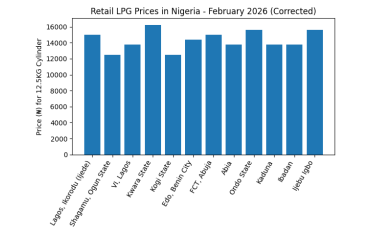
This challenge is not unique to CNG. The Liquefied Petroleum Gas (LPG) market in Nigeria faces similar obstacles of affordability, infrastructure, and uneven distribution. While LPG is widely promoted as a clean cooking solution, its retail price frequently fluctuates, often above ₦1,100 per kilogram in coastal states and closer to ₦1,500 in northern regions due to transport costs. For a 12.5kg cylinder, households pay between ₦14,000 and ₦18,500, a heavy burden for many families.
Like CNG, LPG adoption was expected to reduce dependence on dirtier fuels such as kerosene, firewood, and charcoal. Yet rising prices and inadequate distribution infrastructure have slowed progress. Just as long queues at CNG stations discourage drivers, high refill costs push households back toward traditional fuels, undermining clean energy campaigns.
The comparison between CNG and LPG highlights a broader issue in Nigeria’s energy transition: policy ambition often outpaces practical implementation. Both fuels are positioned as affordable, cleaner alternatives, but inconsistent pricing, infrastructure gaps, and weak market incentives undermine adoption.
For CNG, stabilising prices and rapidly expanding refuelling stations is critical to sustaining momentum. For LPG, investment in inland storage, transport infrastructure, and regulatory enforcement is needed to close the price gap between coastal and northern states. In both cases, affordability and accessibility must go hand in hand if Nigerians are to fully embrace these alternatives.
Ultimately, whether for transport or cooking, the success of Nigeria’s gas-based energy transition will depend on balancing government ambition with practical delivery. Without consistent supply, fair pricing, and robust infrastructure, both CNG and LPG risk falling short of their promise as the fuels of the future.
Share on Social Media:
Are you setting up, or do you need LPG information? Get started with our LPG and CNG Webinars!
Do you need LPG Depot Prices and Mont Belvieu Prices Data Sheet (2019 till date)? Get Access here!
You May Also Like


0 Comment.