


- 1925
- 0
Sharing Ideas and Updates on LPG in Nigeria and related information to enable effective collaboration within the LPG Value Chain


LPG 101: A Beginner’s Guide For New LPG Business Owners
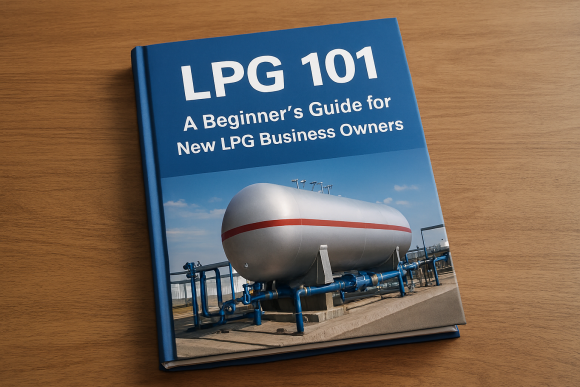
LPG 101: A Beginner’s Guide For New LPG Business Owners

Starting a Liquefied Petroleum Gas (LPG) business can be an exciting venture, but it also requires a strong understanding of how LPG behaves, how to handle it safely, and what to expect in day-to-day operations. At LPG in Nigeria, we often receive questions from new entrants in the industry about product handling, safety, and storage efficiency.
This guide (LPG 101) breaks down the fundamentals you need to know before or as you set up your plant or skid station.
1. LPG is Highly Flammable: Safety Comes First
Let’s start with the most important fact: LPG is highly flammable. This means that even a small leak, if exposed to a source of ignition (like a spark, open flame, or static electricity), can lead to a fire or explosion.
However, this doesn’t mean LPG is unsafe, it simply means that strict adherence to safety protocols is essential.
How to Handle Leakages in an LPG Plant or Skid
If a leakage is detected in your plant or skid station, do not panic, follow these steps:
Do not switch anything on or off, electrical switches can create sparks.
Immediately shut off the main supply valve to stop the gas flow.
Evacuate all staff and customers from the affected area.
Do not use phones or matches near the leak.
Ventilate the area, open windows and doors to allow the gas to disperse.
Contact emergency response services or your fire safety team for assistance.
Spray soapy water (never use a flame) around valves, pipes, and joints to identify the leak, bubbles indicate a leak.
Once it’s fixed, carry out a safety inspection before resuming operations.
Tip: Every LPG business should have gas detectors, fire extinguishers (dry powder type), and staff trained in emergency response. Prevention and early detection save lives, and your investment.
2. Is LPG in Liquid or Gaseous Form in the Tank?
This is one of the most common questions new LPG operators ask and it’s a good one.
Inside your storage tank, LPG exists both as a liquid and a gas.
The majority of LPG is stored as a liquid, under moderate pressure.
The upper part of the tank contains LPG vapour (gas), which forms naturally as the liquid evaporates.
When a customer refills a cylinder or a truck loads from your plant, the pressure difference pushes liquid LPG out of the tank. Once released into the open, it instantly vaporises into gas, which is the form that burns for cooking or heating.
Think of it this way your storage tank holds LPG as a compressed liquid, but your customers use it as a gas.
That’s why it’s called Liquefied Petroleum Gas, a liquid stored fuel that turns into a gas when used.
3. Will My LPG in Storage Vaporise or Reduce Over Time?
This question worries many new plant owners, “If I leave LPG in my storage tank for weeks, will it evaporate or reduce?”
The short answer is: No, it shouldn’t as long as your tank is properly sealed and maintained.
Here’s why:
LPG is stored in pressurised containers, which prevent vaporisation or escape.
Under constant temperature and pressure, the liquid and gas inside remain in equilibrium, meaning your product will stay intact.
However, minor losses can occur in some cases, and here’s why:
✅ Temperature fluctuations: When temperatures rise significantly, LPG expands and pressure builds up. If your tank has a small vent or seal issue, some gas could escape to relieve excess pressure.
✅ Improper valve closure or micro leaks: Even tiny leaks can lead to slow losses over time. Regular pressure checks can prevent this.
✅ Poor tank quality: Substandard or corroded tanks may not hold pressure effectively, leading to product loss and safety hazards.
Best Practice: Always invest in standard LPG tanks certified by relevant safety authorities, and conduct routine inspections. Tanks should be kept in shaded or temperature-controlled environments where possible.
When stored correctly, LPG can remain stable indefinitely, it doesn’t “go bad” or “evaporate” like petrol or kerosene.
Final Thoughts: Knowledge is Your Greatest Safety Tool
Running an LPG business is not just about selling gas, it’s about managing energy safely and efficiently. Understanding the science and behavior of LPG gives you a solid foundation to operate confidently and responsibly.
At LPG in Nigeria, we believe every new entrant should prioritise safety training, regulatory compliance, and product knowledge. The more you understand LPG, the fewer risks your business faces, and the greater your success.
If you’re setting up an LPG plant, skid station, or considering entering the industry, we’re here to guide you every step of the way from setup to safety certification.
Need expert support or consultation?
Send an email to info@lpginnigeria.com or visit www.lpginnigeria.com to get started.
Together, let’s build a safer, smarter, and more sustainable LPG industry in Nigeria.
Share on Social Media:
Are you setting up, or do you need LPG information? Get started with our LPG and CNG Webinars!
Do you need LPG Depot Prices and Mont Belvieu Prices Data Sheet (2019 till date)? Get Access here!
You May Also Like







0 Comment.