


- 318
- 0
Sharing Ideas and Updates on LPG in Nigeria and related information to enable effective collaboration within the LPG Value Chain


LPG Safety For Teenagers And Young Adults
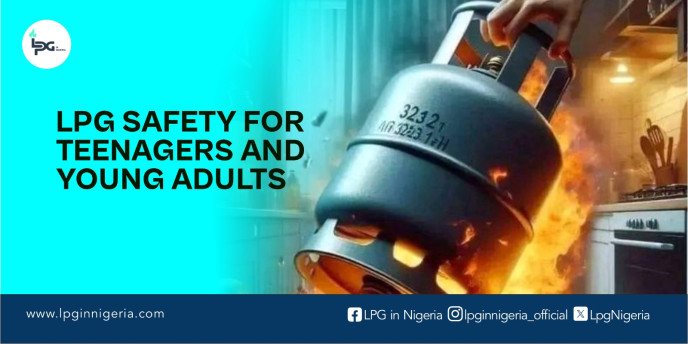
LPG Safety For Teenagers And Young Adults

In February 2026, a video began circulating online about a young Nigerian woman whose gas cooker exploded while she was cooking noodles. She had stepped out of the kitchen briefly after serving her food when the blast occurred. The damage to her kitchen was significant. Burnt surfaces, scattered debris, and visible shock on her face told a story that could easily have ended in tragedy. Fortunately, she survived. The incident was later reported by Legit.ng and quickly became a topic of discussion across social media.
For many teenagers and young adults, this story felt both frightening and familiar. Cooking noodles is one of the most common meals for students and young professionals. It is quick, simple, and often the first meal people learn to prepare when living alone. That is exactly why this case deserves attention. It shows how an everyday routine can turn dangerous when LPG safety is not fully understood.
Liquefied Petroleum Gas, commonly called LPG or cooking gas, is widely used across Nigeria. It is efficient, cleaner than firewood, and faster than kerosene. It is also safe when used correctly. The problem is not the gas itself but how it is handled. Many young people grow up seeing gas cylinders in the kitchen without being taught how they work. They know how to turn the knob and light the burner, but they do not understand what is happening behind the scenes.
LPG is stored in cylinders under pressure. Inside the cylinder, the gas is in liquid form. When released, it turns into vapor and mixes with air before burning. If there is a leak and the gas accumulates in an enclosed space, it can ignite violently when it meets a spark. That spark could come from a lighter, a switch, or even static electricity. Gas explosions rarely happen without warning signs. The warning signs are often ignored or misunderstood.
In the viral case, the young woman stepped out of the kitchen while cooking. Leaving a gas burner unattended is one of the most common risks in homes. A pot can boil over and extinguish the flame while gas continues to flow. A hose connection can loosen without anyone noticing. If the kitchen is not properly ventilated, leaked gas can build up quietly. When someone returns and attempts to relight the burner, the result can be explosive.
Teenagers and young adults are particularly vulnerable because many are living independently for the first time. Students in hostels, youth corps members in new cities, and young couples setting up their first apartments often buy affordable kitchen appliances without much research. In the online reactions to the incident, several people debated the type of cooker involved. Some insisted that stainless steel cookers are safer than glass-top models. While material quality does matter, safety is not determined by appearance alone. A well maintained glass cooker is safer than a damaged stainless one. The key issues are proper installation, functional regulators, certified cylinders, and good ventilation.
One of the most overlooked aspects of LPG safety is cylinder condition. Cylinders are not meant to last forever. They have manufacturing dates and recommended inspection periods. Rust, dents, and worn valves increase the risk of leakage. Many young renters inherit cylinders from previous occupants without checking their condition. Some purchase second-hand cylinders because they are cheaper. This may seem economical, but it increases risk.
Another critical factor is the regulator and hose. The rubber hose connecting the cylinder to the cooker should be checked regularly for cracks, brittleness, or loose fittings. It should not pass near heat sources or be bent sharply. A simple soap and water test can detect leaks. When soap solution is applied to connections, bubbles will form if gas is escaping. This is basic knowledge that every young adult using LPG should have.
Ventilation also plays a major role. Gas is heavier than air, which means it settles near the floor when leaked. Kitchens without windows or proper airflow allow gas to accumulate. Many small apartments in urban areas are designed for space efficiency rather than airflow. Young people renting such spaces must be extra cautious. Cooking with doors or windows slightly open can make a significant difference.
The emotional reactions to the incident were telling. Some commenters focused immediately on product brands and materials. Others shared stories of personal loss linked to gas accidents. One commenter mentioned that a similar glass cooker incident contributed to a family tragedy. These reactions reveal something important. Gas safety is not theoretical in Nigeria. It affects real families and leaves lasting scars.
There is also a cultural element to consider. Aesthetic appeal often influences purchase decisions among young consumers. Sleek glass-top cookers look modern and stylish. Stainless steel may appear less fashionable. Safety, however, should always outweigh appearance. When budgets are tight, it is better to invest in certified equipment from reputable suppliers than to prioritize design over durability.
Beyond equipment, behavior matters most. Cooking should never be left unattended. If you must leave the kitchen, turn off the burner. If you smell gas, do not light a match or switch on electrical appliances. Open windows immediately and close the cylinder valve. If a flame behaves unusually, such as burning orange instead of blue, it may indicate incomplete combustion or blockage. These small observations can prevent major incidents.
Education is the strongest prevention tool. Gas safety should not be learned through viral videos or personal loss. It should be taught deliberately. Parents, schools, and community leaders can play a role in teaching basic LPG safety principles before young people begin living independently. Landlords and hostel managers should also ensure that installed systems meet safety standards.
The broader lesson from the February 2026 case is not fear but awareness. LPG is not the enemy. When handled properly, it is one of the safest and most efficient cooking fuels available. The danger arises from neglect, poor maintenance, and lack of knowledge. Young adults often feel invincible, but gas does not respond to confidence. It responds to physics.
The Nigerian woman who survived the explosion was fortunate. Her quick actions prevented a worse outcome. Her story should not simply generate sympathy or online debate about cooker brands. It should encourage a new culture of attentiveness among teenagers and young adults. Every time a burner is turned on, there should be a moment of awareness about what is being used and how it works.
LPG safety is ultimately about responsibility. It is about understanding that convenience comes with accountability. It is about knowing that stepping out of the kitchen for a few minutes can change everything. Most importantly, it is about recognizing that clean cooking should never become dangerous cooking.
For teenagers and young adults across Nigeria, the message is simple but powerful. Learn how your gas system works. Inspect it regularly. Choose safety over aesthetics. Never ignore the smell of gas. Never leave flames unattended. These habits are not dramatic or complicated. They are practical, everyday decisions that protect lives.
The viral video may fade from memory, but the lesson should not. Gas safety is not optional. It is part of growing up responsibly in a world where small oversights can have large consequences.
Share on Social Media:
Are you setting up, or do you need LPG information? Get started with our LPG and CNG Webinars!
Do you need LPG Depot Prices and Mont Belvieu Prices Data Sheet (2019 till date)? Get Access here!
You May Also Like







0 Comment.