

- 1440
- 0
Sharing Ideas and Updates on LPG in Nigeria and related information to enable effective collaboration within the LPG Value Chain


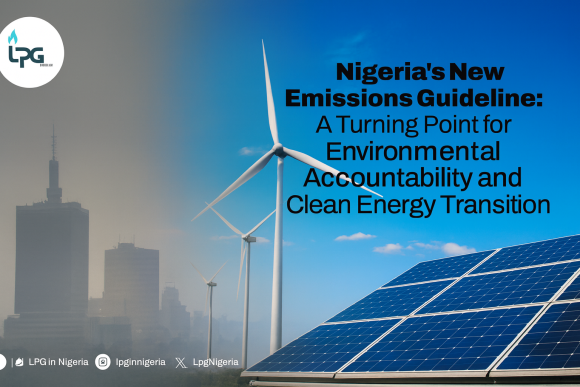
Nigeria’s New Emissions Guideline: A Turning Point For Environmental Accountability And Clean Energy Transition
Nigeria’s New Emissions Guideline: A Turning Point For Environmental Accountability And Clean Energy Transition

Nigeria has taken a major step toward strengthening environmental protection in its petroleum industry with the introduction of a new regulatory guideline focused on reducing greenhouse gases (GHGs) and fugitive emissions. The Nigerian Midstream and Downstream Petroleum Regulatory Authority (NMDPRA) officially signed this landmark policy under the leadership of its Chief Executive, Faruk Ahmed, marking a significant milestone in the country’s broader climate-action agenda.
For years, Nigeria has struggled with the environmental and health impacts of emissions resulting from oil production, gas processing, and midstream operations. From methane leaks in pipelines to flaring at processing facilities, the cumulative effect has been rising pollution, poor air quality, and wasted economic value. This new guideline represents the country’s strongest attempt yet to address these long-standing challenges.
What the New Guideline Is All About
The regulation introduces a structured framework that petroleum operators must follow to monitor, report, and reduce emissions generated in midstream and downstream activities. It focuses on two main categories:
1. Greenhouse Gas (GHG) Emissions
These are gases, especially methane and carbon dioxide, that contribute to global warming. Nigeria is currently one of Africa’s highest methane emitters due to gas flaring and industrial leaks.
2. Fugitive Emissions
These are unintended leaks from pipelines, storage terminals, gas processing plants, and other facilities. Though often overlooked, fugitive emissions can be one of the largest sources of carbon loss in the energy value chain.
By setting clear standards for detection, reporting, and mitigation, the guideline ensures operators are responsible for controlling pollution sources rather than allowing them to remain invisible and unaddressed.
Why This Matters for Nigeria
Nigeria is Africa’s largest energy producer, and emissions from the petroleum sector significantly affect public health, air quality, and environmental sustainability. This guideline helps the country:
✔ Align With Global Climate Goals
Major energy-producing nations are rapidly decarbonizing. For Nigeria, taking climate responsibility is not just about the environment. It is also about staying competitive in a world where buyers increasingly demand low-carbon fuels.
✔ Improve Transparency in Emissions Reporting
Investors and international partners are now asking for accurate carbon data. Transparent reporting boosts investor confidence and strengthens the credibility of Nigeria’s energy sector.
✔ Reduce Environmental Risks
Leaks, inefficient systems, poorly maintained pipelines, and outdated infrastructure contribute to accidents, explosions, and air pollution. Stricter monitoring reduces these risks significantly.
✔ Strengthen Regulatory Accountability
For the first time, the NMDPRA is providing operators with a unified emissions standard, backed by enforcement power. This increases accountability across the sector.
How This Regulation Fits Into Nigeria’s Energy Future
The introduction of this guideline marks a broader shift in Nigeria’s energy strategy. Several key national priorities align directly with emissions reduction:
1. Gas as a Transition Fuel
Nigeria’s Decade of Gas initiative positions natural gas as the backbone of the country’s energy future. Reducing methane and fugitive emissions is essential if gas is to be a credible “cleaner fuel” alternative.
2. Strengthening Domestic Gas Infrastructure
Pipeline leaks and poor storage conditions have long undermined energy efficiency. These guidelines force companies to upgrade systems, reducing losses and improving energy reliability.
3. Enhancing Energy Security
Lower emissions often mean better system integrity. When pipelines and storage facilities are well maintained, fuel losses drop and Nigeria’s domestic supply becomes more reliable.
What This Means for the LPG Sector
The new guideline has major implications for Nigeria’s rapidly growing LPG market. As more households and businesses shift to LPG for cooking, heating, and small-scale power, environmental regulations become even more important.
✓ Improved Safety Across the LPG Value Chain
Fugitive emissions from LPG storage terminals, cylinders, and filling plants can pose fire and explosion risks. Stronger monitoring will reduce operational hazards and improve consumer confidence.
✓ Lower Environmental Footprint for LPG Operators
As guidelines push operators toward better leak detection, Nigeria’s LPG sector becomes more compliant with global clean energy standards, positioning the country as a potential regional LPG hub.
✓ Support for Clean Cooking Initiatives
Nigeria still loses thousands of lives annually to soot and indoor air pollution from firewood and charcoal. A cleaner LPG supply chain supports national clean cooking programmes and WHO clean energy goals.
✓ Attraction of Green Investments
Investors seeking low-carbon opportunities will find Nigeria’s LPG market more attractive with clearer environmental regulations in place.
The Bigger Picture: Toward a Cleaner, More Responsible Petroleum Sector
Nigeria’s emissions guideline signals a shift toward a petroleum industry built on modern standards, environmental transparency, and climate responsibility. For decades, the nation has struggled to balance economic gains from oil and gas with environmental protection. This policy suggests that balance may finally be within reach.
If fully implemented, the guideline could:
Reduce harmful methane emissions
Improve air quality in host communities
Boost Nigeria’s global reputation in energy governance
Promote safer operations across oil and gas facilities
Strengthen Nigeria’s commitment to the Paris Agreement
More importantly, it sets the foundation for a cleaner energy future, one where gas, LPG, and renewable solutions work together to drive sustainable growth.
Source: NMDPRA ON X
Share on Social Media:
Are you setting up, or do you need LPG information? Get started with our LPG and CNG Webinars!
Do you need LPG Depot Prices and Mont Belvieu Prices Data Sheet (2019 till date)? Get Access here!
You May Also Like

0 Comment.