


- 4595
- 0
Sharing Ideas and Updates on LPG in Nigeria and related information to enable effective collaboration within the LPG Value Chain


Presidential Tax Committee Confirms 5% Fuel Levy Will Not Apply To Kerosene, LPG, Or CNG
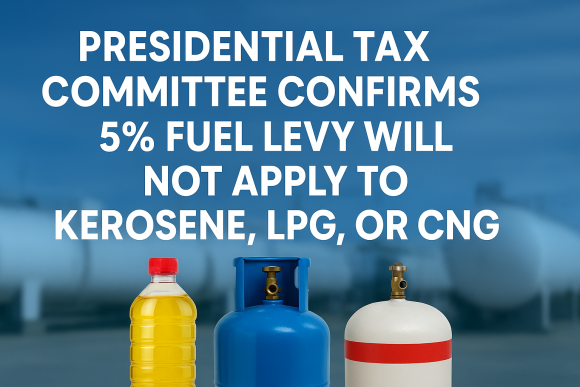
Presidential Tax Committee Confirms 5% Fuel Levy Will Not Apply To Kerosene, LPG, Or CNG

The Presidential Fiscal Policy and Tax Reforms Committee has stepped in to clear the air regarding Nigeria’s proposed 5% fuel surcharge under the newly signed tax reforms. With widespread concern that the levy might worsen the cost-of-living crisis, committee chairman Taiwo Oyedele has reassured Nigerians that essential household energy products will not be affected.
In an FAQ statement released on X (formerly Twitter), the committee explained that household kerosene, cooking gas (LPG), compressed natural gas (CNG), and clean or renewable energy products are exempt from the surcharge. This exemption, they noted, aligns with Nigeria’s broader energy transition goals and efforts to encourage the adoption of cleaner, more sustainable energy sources.
Why This Matters for Households
The clarification is particularly important because many Nigerians feared that the surcharge would push up the prices of cooking gas and kerosene, which are already expensive for low- and middle-income families. The committee reassured citizens that the surcharge will not apply to these fuels, thereby preventing further financial strain on households that depend heavily on them for daily cooking and energy needs.
Timing and Implementation
Another critical detail is that the surcharge will not automatically begin when the new tax laws take effect in January 2026. Instead, its implementation will require a formal order from the Minister of Finance, published in the Official Gazette. This safeguard ensures that the government considers both economic conditions and public welfare before activating the levy.
Why the Surcharge Exists
While Nigeria has saved funds from the removal of petrol subsidies, the committee emphasized that these savings alone cannot cover the country’s massive infrastructure and fiscal demands. The fuel surcharge, they explained, is designed as a dedicated fund for road infrastructure and maintenance. If managed effectively, this could mean safer roads, shorter travel times, reduced logistics costs, and lower vehicle maintenance expenses—benefits that extend to the broader economy.
Global Perspective
The committee also pointed out that Nigeria is not alone in implementing fuel surcharges. Over 150 countries currently impose similar charges on fuel products, ranging anywhere from 20% to 80%, as a way to guarantee sustainable investment in road networks. Compared to this, Nigeria’s 5% proposal remains relatively modest.
The Bigger Picture of Tax Reform
This surcharge is part of a broader fiscal restructuring effort under President Bola Tinubu, who signed into law four major tax reform bills in June 2025:
The Nigeria Tax Bill
The Nigeria Tax Administration Bill
The Nigeria Revenue Service (Establishment) Bill
The Joint Revenue Board (Establishment) Bill
These laws, set to take effect on January 1, 2026, sparked public debate and skepticism across regions. However, extensive consultations with stakeholders helped shape the final versions, balancing the government’s need for revenue with the public’s concern for fairness.
For now, Nigerians can take comfort in knowing that household kerosene, LPG, and CNG will remain free from the proposed surcharge. However, the government’s long-term plan to use the levy for road infrastructure means its eventual rollout could still impact fuel prices. Whether Nigerians will see the promised benefits, better roads, lower transport costs, and economic growth—will depend on how transparently and efficiently the funds are managed.
Share on Social Media:
Are you setting up, or do you need LPG information? Get started with our LPG and CNG Webinars!
Do you need LPG Depot Prices and Mont Belvieu Prices Data Sheet (2019 till date)? Get Access here!
You May Also Like


0 Comment.