

- 1008
- 0
Sharing Ideas and Updates on LPG in Nigeria and related information to enable effective collaboration within the LPG Value Chain


Top LPG In Nigeria Blog Posts Of 2025 - A Year In Review
Top LPG In Nigeria Blog Posts Of 2025 - A Year In Review

As Nigeria continues to navigate the dynamic energy landscape, LPG (Liquefied Petroleum Gas) has remained at the forefront of discussions on safety, pricing, policy, infrastructure, and consumer awareness throughout 2025. From safety alerts and price trends to regulatory insights and industry milestones, these are the most impactful blog posts that shaped conversations on LPG in Nigeria this year.
January - March: Safety and Pricing Trends Take Center Stage
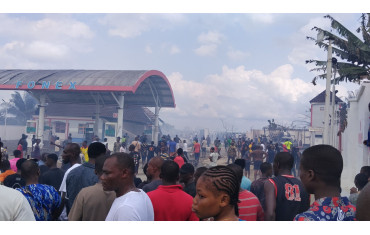
Gas Explosion in Rivers State Not Due to Cooking Gas
The year opened with an important clarification on a tragic explosion in Rivers State, underscoring that unsafe handling rather than household LPG caused the blast, and highlighting the urgent need for improved safety practices.
Public Alert: Understanding LPG Cylinder Expiration and Safety Standards
Recognizing public confusion around cylinder lifespan, this post guided readers on how to read expiration marks, understand safety standards, and avoid potentially dangerous equipment.
Current Standards and Requirements for LPG in Nigeria (Part 2)
Part two of this regulatory deep dive laid out updated LPG compliance requirements for marketers and operators, helping industry players align with national safety and quality expectations.
Navigating the Regulatory Landscape (Part 1)
This historical overview provided context for Nigeria’s LPG regulations, showing how past policies shaped the current framework governing LPG distribution and usage.
Cooking Gas Prices Dropped by 4.36% in January 2025
Consumers were encouraged early in the year as LPG prices eased, and this post explained the market forces behind the January price dip.
Cooking Gas Prices Decline by 5.42% from Feb–Mar 2025
The trend of moderated LPG costs continued, with analysis of successive price drops and implications for households.
April - June: Market Movements and Industry Developments
Global Cooking Gas Prices in 2025: A Comparative Analysis
This key analysis placed Nigeria’s LPG costs in a global context, arguing for stronger adoption of LPG as both a clean and cost-effective fuel.
Looking ahead, this forward-thinking piece explored opportunities and obstacles for LPG growth, from infrastructure gaps to investment potential.
Cooking Gas Prices Increased by 16.01% from March-April 2025
Mid-year volatility surfaced as LPG costs spiked sharply, prompting discussions on supply constraints and pricing pressures.
9.5% Increase in Cooking Gas Prices from May–June 2025
Continuing price increases highlighted the need for stability in the LPG market.
Dangote Refinery Nears Full Capacity
A major industrial update, this post examined how increased output from Nigeria’s largest refinery could reshape LPG availability, pricing, and energy self-sufficiency.
July – September: Consumer Guides and Policy Shifts
What to Look Out for Before Buying an LPG Tank
This practical guide helped consumers make safe, informed decisions when purchasing LPG tanks, from certification checks to sizing considerations.
Understanding LPG Cylinder Safe Filling
Demystifying safe fill levels and common misconceptions, this post reinforced good practices to prevent leaks and explosions.
The Shift Toward Composite Gas Cylinders
Innovation in equipment took the spotlight as composite LPG cylinders were explored for their safety advantages and lighter weight.
Presidential Tax Committee Confirms 5% Fuel Levy Will Not Apply to LPG
Clarity on fiscal policy reassured consumers and industry stakeholders as LPG remained exempt from a new proposed fuel tax.
FG Partially Withdraws CNG Subsidies
With changes looming for alternative fuel subsidies, this update highlighted shifting government priorities and potential cost impacts.
Cooking Gas Price Experience: 5.2% Month-on-Month Decrease in August
A welcomed LPG price relief was documented, providing optimism for the remainder of the year.
Cooking Gas Prices Increased by 3.5% from Aug–Sept 2025
Yet another rebound in pricing reinforced Nigeria’s ongoing challenge with consistent LPG affordability.
October - December: National Events, Labour Relations, and Broad Energy Conversations
COP30 Brazil: Why Nigerian Companies Shouldn’t Miss Out
This forward-looking piece connected local LPG stakeholders to global climate action, urging Nigerian firms to leverage COP30 for energy partnerships.
NUPENG vs Dangote: Labour and Logistics Disputes
Two posts on disputes between NUPENG and Dangote highlighted how transport logistics and labour relations can influence the broader energy ecosystem.
NUPENG Suspends Strike After Agreement with Dangote Refinery
A positive update in industrial relations, this article reported the suspension of a planned strike following negotiations, signaling stability for fuel supply chains.
Hilda Baci’s Jollof Rice World Record Attempt
This lighter-hearted but meaningful post used a Guinness-breaking attempt to champion LPG as a clean, reliable cooking fuel for Nigerian homes.
Kerosene and LPG in Nigeria: Cost, Use, and Reality
A practical comparison guided readers through the real-world costs and benefits of kerosene and LPG, reinforcing why many Nigerians are switching to gas.
LPG Scarcity in Nigeria: What Our Community Is Saying
Community voices took center stage in this post on LPG shortages, highlighting consumer frustrations and systemic supply issues.
Nigeria’s $60 Billion Energy Gamble: Can NNPC Deliver?
A critical exploration of Nigeria’s ambitious energy investment plans, this article debated the potential and pitfalls of major projects like those led by NNPC.
Conclusion: A Year of Insight, Growth, and Conversation
Across 2025, discussions on LPG in Nigeria spanned safety education, pricing trends, regulatory context, consumer guidance, industry milestones, and policy shifts. Together, these posts not only informed but also shaped the national narrative on how Nigeria can safely, affordably, and sustainably grow its LPG market.
Whether you’re a household consumer, industry operator, policymaker, or energy enthusiast, these top posts offer a comprehensive snapshot of a pivotal year for LPG in Nigeria.
Share on Social Media:
Are you setting up, or do you need LPG information? Get started with our LPG and CNG Webinars!
Do you need LPG Depot Prices and Mont Belvieu Prices Data Sheet (2019 till date)? Get Access here!
You May Also Like

0 Comment.